






In-house members
11
Total footprint
15,000 sq ft
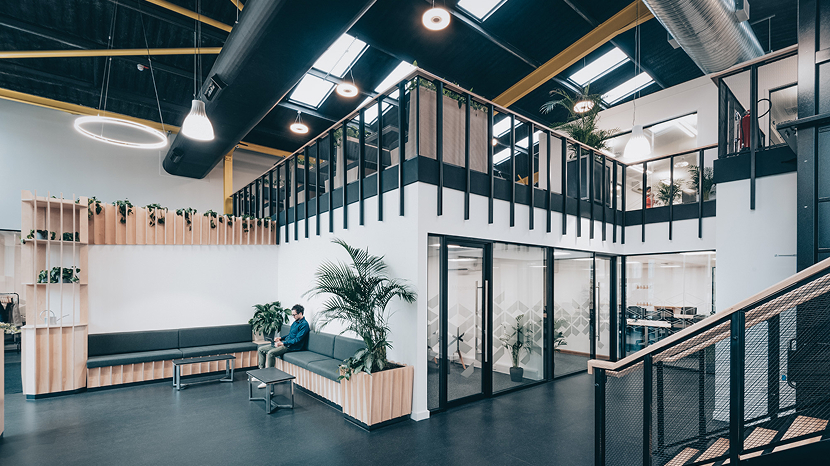
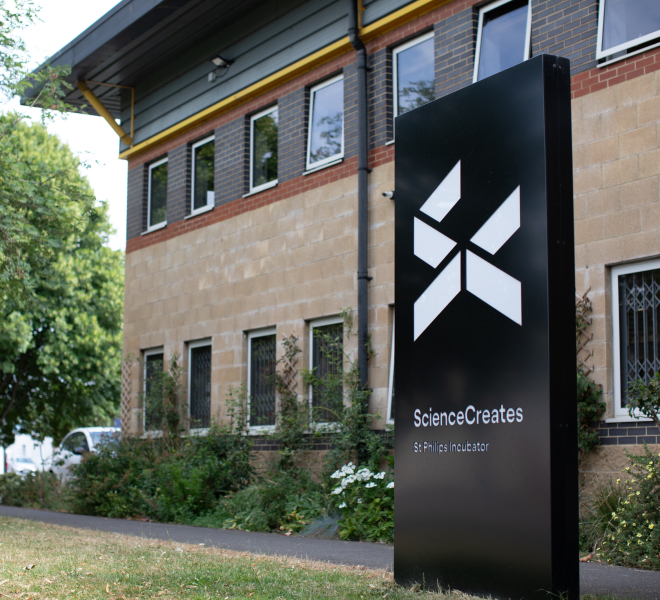
The incubator where it all started, our St Philips incubator is typically home to earlier-stage Deep Tech teams of around 10-20 and has been the launchpad for many success stories — from startups scaling to bigger facilities to game-changing company exits.
Work alongside pioneering startups tackling global issues — from next-generation battery materials and better diabetes treatments to quantum-enabled cameras to track greenhouse gas leaks.
Our St Philips incubator (previously Unit DX) opened in 2017 to improve access to lab space and facilities for scientific companies in Bristol.
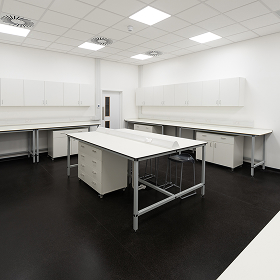
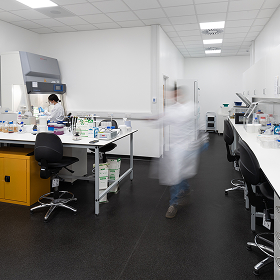
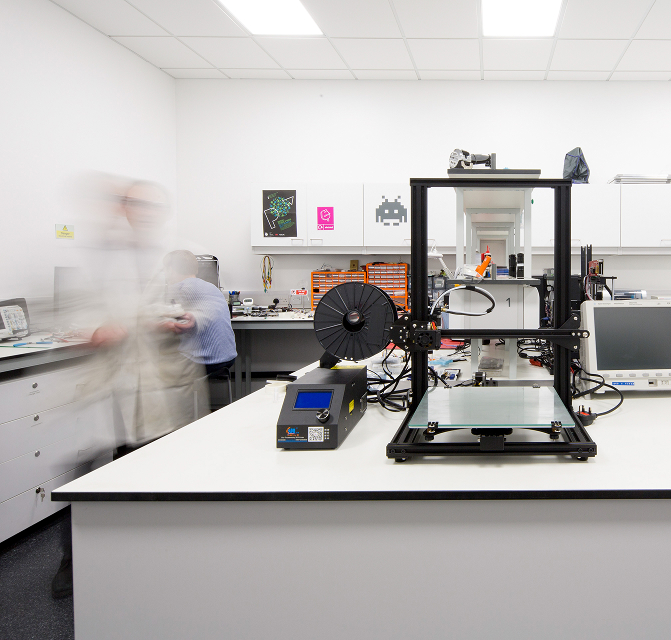
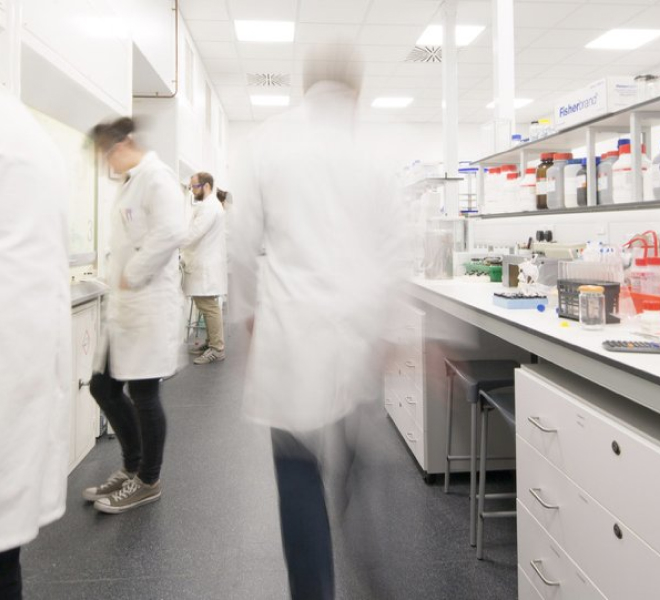
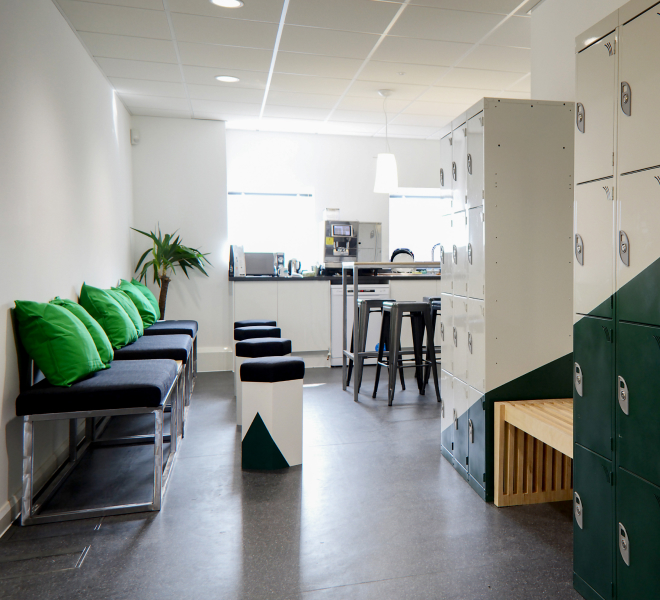
Just a 10-minute walk from Bristol Temple Meads train station, the space combines purpose-built laboratories, flexible offices and cutting-edge instrumentation.
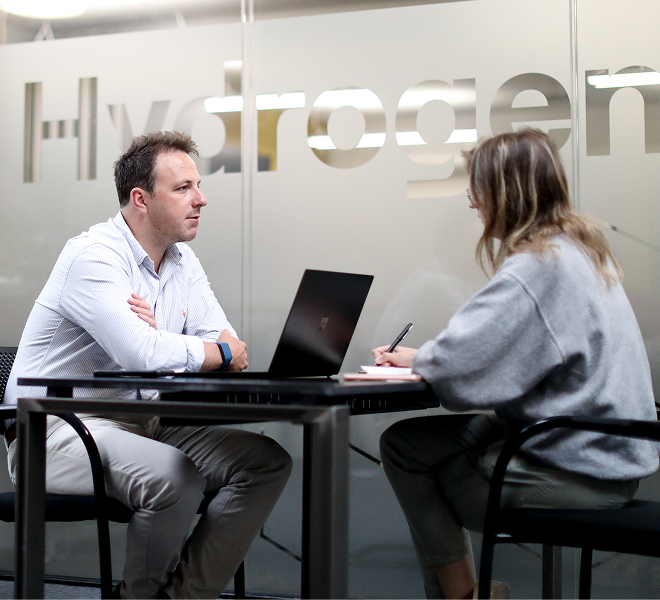
Rent an entire lab or just a lab bench; have a private office or share one — and access our platform of support, providing opportunities to attend workshops and events, connect with other founders, and find a mentor.











Get in touch if you are after shared lab space at St Philips or browse our other sites if you are looking for private lab space.



Travel between locations is measured in walking distance

Albert Rd

0.5 miles / 11 min

0.7 miles / 15 min

Scarlet Therapeutics is developing a proprietary platform that generates novel red blood cell-based therapeutics (tRBCs) to treat a wide range of diseases. Its technologies are underpinned by learnings from decades of research including the groundbreaking RESTORE clinical study run by NHS Blood and Transplant and the University of Bristol, investigating transfusion of lab-grown blood into patients. By generating tRBCs with high levels of therapeutic proteins from cell lines rather than from donated stem cells, Scarlet Therapeutics aims to address significant efficacy and manufacturing issues faced in the field.

neo-fossil is developing new technology using cell engineering to help reverse the threat of climate change. By optimising biology, it is creating new fossils that harvest atmospheric carbon dioxide, storing it for centuries.

Lifecare is committed to improving the lives of people and pets with diabetes. It is developing the next-generation of miniaturized and implantable nanobiosensors for correct and continuous monitoring of glucose and other biomarkers to the market. The company’s spin-off entity Lifecare Chemistry Ltd was founded to enhance research collaboration and secure ownership of its improved analyte-specific chemical receptor developments.

Lifecare is committed to improving the lives of people and pets with diabetes. It is developing the next-generation of miniaturized and implantable nanobiosensors for correct and continuous monitoring of glucose and other biomarkers to the market. The company’s spin-off entity Lifecare Chemistry Ltd was founded to enhance research collaboration and secure ownership of its improved analyte-specific chemical receptor developments.

Anaphite is decarbonising battery production by accelerating the electric vehicle (EV) industry’s shift to dry battery electrode coating. Its technology platform solves the challenges of dry mixing and manufactures film-forming dry powders called Dry Coating Precursor (DCP®). This process enables cell manufacturers to reduce their energy use by up to 30% and create better, more sustainable batteries at lower cost.

Fine Agrochemicals is enhancing crop quality for fruit and flower growers in agricultural, ornamental and landscape markets using its plant growth regulator (PGR) technology. Its PGR products, made using naturally occurring molecules through fermentation and combined with chemically synthesised compounds, help stimulate plant cells to enhance nutrient levels and targeted growth for improved crop outputs.

Reach Industries is optimising lab and scientist efficiency with its Lumi™ visual intelligence platform. By automating data capture and analysis for experiments, observations and complex scientific workflows, the platform functions as a streamlined operating system that is accelerating R&D, improving compliance and increasing reproducibility.

Kelpi is tackling plastic pollution by developing sustainable alternatives to single-use plastic packaging. It uses seaweed to create a unique bioplastic coating that provides a world-leading water barrier for new-generation packaging while being recyclable, biodegradable, and low carbon. By working with major food and drink, cosmetics and home care brands, Kelpi is already reducing reliance on fossil-fuel plastics and paving the way for a greener future in these industries.

GenomeKey is transforming how healthcare clinicians diagnose and treat infections like sepsis to improve patient outcomes. Using cutting-edge machine learning and DNA sequencing, the company is developing a next-generation diagnostic device to identify bacterial genomes and determine their antimicrobial susceptibility directly from patient blood in just a few hours, rather than days. This enables clinicians to prescribe the right antibiotics for patients with much more efficiency and accuracy, reducing costs, minimising unnecessary antibiotic use and ultimately saving millions of lives from the world’s leading cause of death.